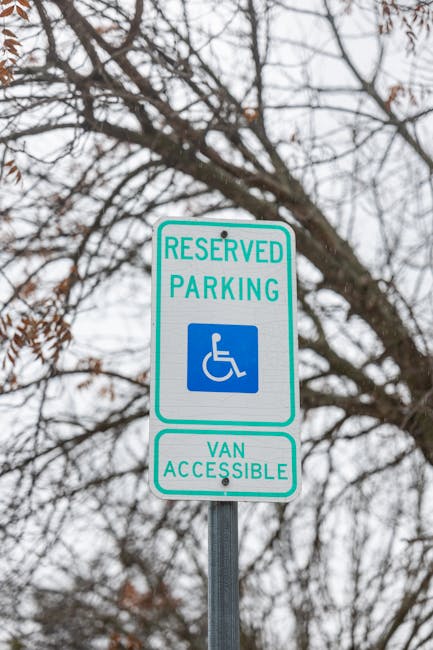
Parking permit rules affecting Holland Park removals and fines
Moving in Holland Park can feel straightforward on paper, then suddenly the street narrows, the bay is occupied, and a permit issue turns a normal removal into an expensive headache. That is exactly why Parking permit rules affecting Holland Park removals and fines matter so much. In a busy London neighbourhood like this, the difference between a smooth move and a parking ticket often comes down to a few practical decisions made before the van arrives.
If you are moving a flat, a townhouse, or even a single heavy item, parking controls, loading restrictions, suspension bays, and timing rules can all affect your day. Miss one detail and you may face delays, parking charges, or enforcement action. Get them right, and the whole job tends to feel calmer, quicker, and a lot less stressful. Let's be honest, that's what everyone wants on moving day.
This guide breaks down the local parking permit picture in plain English: what it means, how it affects removals, where fines usually come from, and how to plan properly. It also helps you decide when to use a specialist team such as removal services in Holland Park, especially if the move involves tight streets, access limits, or awkward loading conditions. If you want a broader look at planning and local moving logistics, the article on access delays for Holland Park removals is a useful companion read.
Why Parking permit rules affecting Holland Park removals and fines Matters
Holland Park is not a "pull up anywhere and unload" kind of place. Streets can be busy, kerb space is limited, and a removal van may need to stop exactly where local restrictions are most sensitive. That makes parking controls a central part of the moving plan, not an afterthought.
The practical risk is simple: if a vehicle is left in the wrong place, at the wrong time, or without the right permission, a fine can follow. In some cases, the issue is not even the removals team being careless. It can be a loading bay that is already occupied, a permit misunderstanding, or a building access arrangement that was never checked properly. It happens. More often than people think.
For residents and businesses, the implications are bigger than the ticket itself. Fines slow the move, add stress, and can force the crew to circle the block or carry boxes further than planned. That affects labour time, vehicle positioning, and even the safety of fragile items. If you are moving a piano, for example, a poor parking setup can make the whole day harder than it needs to be. Our page on piano removals in Holland Park explains why access and vehicle positioning matter so much for delicate moves.
There is also a planning benefit. When you understand local parking permit rules, you can choose the right move time, arrange the right vehicle size, and avoid last-minute improvisation. That is a proper advantage, especially if you are working around keys, lift slots, landlords, or building managers.
How Parking permit rules affecting Holland Park removals and fines Works
At a basic level, parking permit rules tell you where a vehicle may stop, for how long, and under what conditions. In residential London streets, those rules can include permit bays, pay-and-display spaces, loading-only areas, shared-use bays, suspended bays, yellow line restrictions, and time-controlled access zones. The exact mix depends on the street and the time of day.
For removals, the biggest issue is that a van is not a normal visitor car. It often needs longer stopping time, space for ramps or trolleys, and enough room for movers to work safely. So even if a bay looks empty, it may not be suitable without checking the restriction. A quick stop that feels harmless to a driver can still be enough to trigger enforcement.
There are usually three moving parts to think about:
- Location: Is the road permit-controlled, bay-controlled, or restricted in some other way?
- Timing: Are there specific hours when loading is allowed or when bays are suspended?
- Permission: Has the right parking arrangement been booked or agreed in advance?
In many real moves, the issue is not a missing permit in the abstract. It is a mismatch between what the building expects and what the road allows. For example, a resident may assume the van can wait outside for an hour, but the street may only allow short loading windows. That is where fines usually creep in.
If your move involves a flat, the situation can be a little trickier. Shared entrances, lift bookings, and narrow stair access can all mean the van needs to park efficiently and the crew needs to work fast. Our flat removals in Holland Park page covers some of those practical access pressures, and the guide to avoiding common removals mistakes in Holland Park flats is well worth a look too.
Key Benefits and Practical Advantages
Getting parking permits and stopping rules right does more than avoid a fine. It improves the whole removal day. That may sound obvious, but in practice it makes a real difference.
- Fewer delays: The van can park where it needs to park, rather than hunting for space.
- Lower risk of fines: You reduce the chance of penalty notices, enforcement visits, or vehicle relocation issues.
- Smoother access: Movers can load and unload closer to the property, which helps with heavy furniture and awkward boxes.
- Better timekeeping: The job tends to stay on schedule, which matters if you have key handover times or building restrictions.
- Less physical strain: Shorter carry distances usually mean fewer problems with stairs, tight hallways, and wet weather. London drizzle, naturally, likes to arrive at the worst moment.
There is a commercial side too. If you are getting quotes, a move planned around parking restrictions is usually easier to price fairly. It reduces the chance of hidden extras caused by waiting time, parking stress, or last-minute changes. If you want to see how that links to budgeting, the article on hidden charges in Holland Park moving quotes is particularly helpful.
For business moves, especially along busier routes, parking planning is even more important. Office teams cannot always pause for a long kerbside shuffle. If you are relocating a workspace, the article on office removals for Holland Park High Street businesses gives a useful sense of the pressures involved.
Who This Is For and When It Makes Sense
This topic matters to almost anyone moving in or out of Holland Park, but some people need to pay closer attention than others.
- Flat movers: Shared streets and limited stopping space can quickly complicate loading.
- House movers: Even larger properties can sit on tightly controlled roads or near permit-only bays.
- Students: Smaller moves still need careful parking if you are using a van rather than a car. If that sounds like your situation, see student removals in Holland Park.
- Office relocations: Business premises often have stricter time windows and less tolerance for disruption.
- Short-notice movers: Same-day planning leaves less room to fix parking issues later. The article on same-day removals risks and solutions is worth reading if your timetable is tight.
- Anyone using a man and van: Even a smaller vehicle can still trigger the same parking controls. See also man and van in Holland Park for a practical service fit.
It also makes sense if you are moving near busy local streets like Holland Park Avenue or Campden Hill Road, where traffic movement and kerbside space can be harder to predict. A useful local reference is removals for Holland Park Avenue and Campden Hill Road.
In short: if your move involves a vehicle and a public road, parking should be part of the plan. If that sounds slightly dramatic, well, it is only because fines are very real and very unhelpful.
Step-by-Step Guidance
Here is the simplest way to handle parking permit planning for a Holland Park move.
- Check the street rules early. Look at where the van is likely to stop and what restrictions apply during your moving window.
- Confirm the building access plan. Find out whether the landlord, concierge, or managing agent needs notice. Ask about lift bookings, entrance codes, or loading access.
- Choose the right vehicle size. A smaller van can be easier to place, but it is not always the best choice if you have a lot of items. Balance convenience against capacity.
- Build in buffer time. Do not schedule the move so tightly that one parking problem ruins the day.
- Share the plan with everyone involved. The mover, the client, the building contact, and any helper should understand the parking arrangement.
- Prepare for loading efficiency. Boxes ready, furniture wrapped, and paths clear make the parked van time shorter.
- Keep evidence and notes. If any parking permission or arrangement has been approved, keep a record. Not because you want paperwork for fun - nobody does - but because it helps if questions come up later.
For bigger or more fragile moves, this is where experienced local movers really earn their keep. A team that understands London access patterns can often spot the likely pinch points before they become expensive. You will notice the difference almost immediately: fewer pauses, less guesswork, and a calmer start to the day. If you are planning a larger household relocation, house removals in Holland Park is a useful service page to explore.
Expert Tips for Better Results
There are a few habits that consistently reduce parking trouble on removal day.
1. Treat parking as part of the quote, not a side note. A proper moving quote should reflect access conditions. If a company sounds vague about parking, ask more questions. That is fair enough.
2. Move early if the street is busy. Mornings often give you better chances of getting a workable loading position. Later in the day, competition for bays can get messy.
3. Keep the route short. Even a well-parked van becomes less efficient if movers have to carry goods around corners, through narrow entrances, or across uneven paving.
4. Use specialist help for awkward items. For heavy furniture, pianos, or delicate pieces, parking and loading strategy matter just as much as lifting technique. See furniture removals in Holland Park and piano removals in Holland Park for more context.
5. Keep an eye on weather and road conditions. A rainy day can slow loading and increase the need for a sensible parking position. Small detail, big difference.
If your move is part of a wider life change, you may also find value in the local articles on the housing market of Holland Park and living in Holland Park. They help put the area's practical realities into context.
Common Mistakes to Avoid
The mistakes are usually mundane, which is why they are so annoying. Nothing dramatic. Just a small oversight with a big price tag.
- Assuming loading is allowed everywhere: A bay that looks useful may still be restricted.
- Leaving parking decisions until the morning of the move: By then, the best options may already be gone.
- Forgetting to tell the mover about narrow access: This can lead to the wrong van size or the wrong arrival plan.
- Not checking whether a bay is suspended: Temporary signs can catch people out.
- Ignoring building rules: Some properties are stricter than the street itself.
- Assuming a short stop cannot attract enforcement: In London, short can still be enough.
One common scenario is this: someone books a move, assumes the van can sit outside, and only discovers the restriction once the crew is already unloading. At that point the day gets slower, more stressful, and oddly expensive. It's a bit like finding the kettle has no plug right when you need tea. Not ideal.
Another frequent issue is underestimating how long packing takes. If you want boxes and furniture ready for quick loading, services such as packing and boxes in Holland Park can take a lot of pressure off the timeline.
Tools, Resources and Recommendations
You do not need a bag of fancy tools to manage parking well, but a few simple resources make life easier.
- Street-level notes: Write down where the van can likely stop and who needs to approve access.
- Floor plans or building instructions: Useful when lift access, front-door width, or courtyard entry could influence parking choice.
- Phone photos of signs: Handy if you need to remember restriction details later.
- A clear moving timeline: Helps match the parking window to the loading schedule.
- A reliable removal company: Preferably one that understands local roads, permit pressure, and access constraints.
For people comparing options, the overview of removal services in Holland Park is a sensible place to start, and the page on removal companies in Holland Park can help when you are deciding how much support you need.
If storage is needed because parking, access, or timing makes the move awkward, take a look at storage in Holland Park. Sometimes that extra flexibility removes the pressure completely. Not glamorous, but very useful.
Law, Compliance, Standards, or Best Practice
Parking and loading rules in London are enforced through local traffic regulation and street-level controls. For removals, the safest approach is to treat all posted restrictions as real and active unless you have clear confirmation otherwise. That includes bay signs, yellow line restrictions, loading guidance, temporary suspensions, and any building-specific instructions.
The key best practice is simple: do not rely on habit, memory, or what happened last time on the same street. Rules change, signs are updated, and enforcement is not impressed by assumptions. If a local team has handled similar moves before, that experience helps, but it still needs to be matched to the specific date, street, and vehicle.
Good compliance also means taking care of safety. A van parked badly can force people into traffic, create trip hazards, or block emergency access. That is why a proper moving plan should join parking, lifting, and safe movement into one process. Our health and safety policy and insurance and safety information reflect that practical mindset.
For property managers and business owners, there is also a courtesy element. A neat, time-aware, and minimally disruptive loading plan tends to go down better with neighbours and building staff. A move can be compliant and considerate at the same time. In fact, that's the goal.
Options, Methods, or Comparison Table
There are a few ways people usually handle parking for a Holland Park removal. Each has strengths and trade-offs.
| Approach | Best for | Pros | Watch out for |
|---|---|---|---|
| Self-managed parking planning | Small moves, simple streets, confident organisers | Flexible, low-cost, hands-on control | Easy to miss a sign or underestimate loading time |
| Removal company-led planning | Most home and office removals | Practical experience, less stress, better coordination | Quality varies; ask detailed questions |
| Building-coordinated access | Flats, managed blocks, premium properties | Clear lift and entrance arrangements | Can still clash with street restrictions |
| Split move with storage | Complex timing or hard-to-access properties | Reduces pressure on one day | Needs extra planning and coordination |
In many cases, the best method is a blend: some self-organisation, some professional support, and a clear understanding of the street outside. If you are weighing your removal options, the guide to man with a van in Holland Park can be a useful benchmark for smaller moves, while house removals in Holland Park suits more involved relocations.
Case Study or Real-World Example
Imagine a family moving from a second-floor flat off a busy Holland Park side street on a Friday morning. They have boxes ready, but the van cannot stop directly outside because of local restrictions and a limited loading window. The first instinct is to "just park nearby and sort it out". That is where trouble usually begins.
Instead, the move is planned with parking in mind. The removal team arrives at the agreed time, the client has already checked building access, and the loading route is kept as short as possible. The van is positioned to minimise carry distance, the crew works quickly, and the move finishes without a parking penalty or a long delay.
That same move, done without parking planning, could have meant circling for a bay, carrying furniture from further away, and risking a fine if the stop turned out to be invalid. The householder would probably remember the whole day as noisy, rushed, and much more expensive than expected. Tiny decisions, big outcome.
We see a similar pattern with businesses. A shop or office move often has more people involved, more timing pressure, and less tolerance for disruption. If access is the weak point, the whole schedule feels fragile. That is why local context matters so much, and why pages like Kensington and Chelsea council rules for Holland Park removals can be particularly helpful when you are planning the details.
Practical Checklist
Use this checklist before moving day. It is simple, but it catches a lot.
- Confirm the street and exact loading point.
- Check parking restrictions for the move date and time.
- Ask the building or landlord about access rules.
- Make sure the van size fits the route and the amount of furniture.
- Tell the removal team about stairs, lifts, gates, or narrow turns.
- Prepare items so loading is fast and efficient.
- Leave a buffer for traffic, waiting time, or unexpected parking pressure.
- Keep contact details handy for the driver and building contact.
- Double-check any special items like pianos, mirrors, or antiques.
- Have a backup plan if the preferred loading position is unavailable.
A small extra step can save a lot of friction. That is really the heart of it.
Conclusion
Parking permit rules affecting Holland Park removals and fines are not just a bureaucratic side issue. They shape the pace, safety, and cost of your move. If you understand the restrictions early, choose the right vehicle, and coordinate access properly, you give yourself a much better chance of a calm, efficient day.
Truth be told, most moving problems are not caused by the boxes themselves. They start with the street outside, the sign nobody noticed, or the bay that looked convenient until it wasn't. That is why a little planning goes a long way in Holland Park. And if you are comparing services or trying to avoid unnecessary disruption, it helps to work with a team that understands the area as well as the job.
If you are still at the planning stage and want to review service options, pricing, or support for your specific move, the pages on pricing and quotes and about us are good places to continue. For direct help, you can also use the main site's contact route, but only when you are ready and the details are clear.
Get a free quote today and see how much you can save.
With the right parking plan, moving in Holland Park becomes far less of a gamble and a lot more of a proper, manageable day.
Frequently Asked Questions
Do I need a parking permit for removals in Holland Park?
Not always, but you do need to understand the restrictions on the street where the van will stop. Some roads allow loading only at certain times, while others have permit bays or suspension rules. The key is to check the exact location rather than assume the van can park freely.
Can a removal van stop on a yellow line while unloading?
Sometimes short loading may be tolerated in certain areas, but that does not mean it is automatically safe or permitted everywhere. You should never assume a brief stop is fine without checking the signage and local conditions. In London, short stops can still lead to enforcement.
What happens if a removals van gets a parking fine?
The fine may be issued to the vehicle operator or the person responsible for the stop, depending on the circumstances. It can also cause delays and extra costs. That is why most good removal plans try to avoid the issue before the van arrives.
How far in advance should I check parking arrangements?
As early as you can, ideally during the booking stage. The earlier you know the likely loading point, the easier it is to choose the right vehicle, timing, and access plan. Leaving it until moving day is asking for trouble, to be fair.
Are parking rules different for flats and houses?
The street rules are the same, but flats often add extra building constraints such as lift bookings, concierge access, or limited entrance space. Houses can be simpler inside but still sit on restricted roads. So the parking question is important for both.
What should I tell my removal company about parking?
Tell them the exact street, any known restrictions, whether there is a loading bay nearby, and whether the building has access rules. Also mention if you expect delays, narrow roads, or heavy items. More detail usually means fewer surprises.
Do same-day removals create more parking risk?
Yes, they often do because there is less time to arrange access, review restrictions, or coordinate with a building manager. Same-day moves can still work well, but they need quicker decision-making and a little more flexibility.
Can a smaller van avoid parking issues?
Sometimes a smaller van is easier to place, but it does not remove parking restrictions. It may help in narrow streets or tight residential roads, though you still need to follow the local rules. Vehicle size helps, but it is not a magic fix.
What is the biggest mistake people make with parking on moving day?
The biggest mistake is assuming the first available space will be suitable. That is when people miss signs, loading time limits, or building restrictions. A quick check before unloading starts can save a lot of grief.
How do parking rules affect office removals in Holland Park?
Office removals are often more time-sensitive and may involve larger volumes, more staff, or stricter building management. Parking mistakes can disrupt operations, extend labour time, and create avoidable costs. Planning is especially important for business moves.
What if I am moving heavy furniture or a piano?
Then parking becomes even more important, because the crew needs the safest and shortest possible carry route. Heavy items are harder to manoeuvre, and poor parking can turn a difficult job into a dangerous one. Specialist services are often the better option here.
Where can I learn more about moving in Holland Park?
The site's local guides are a good starting point, especially the articles on locals' living experience in Holland Park and W11 removals for Victorian terraces. They offer useful context for the area's access and property style.